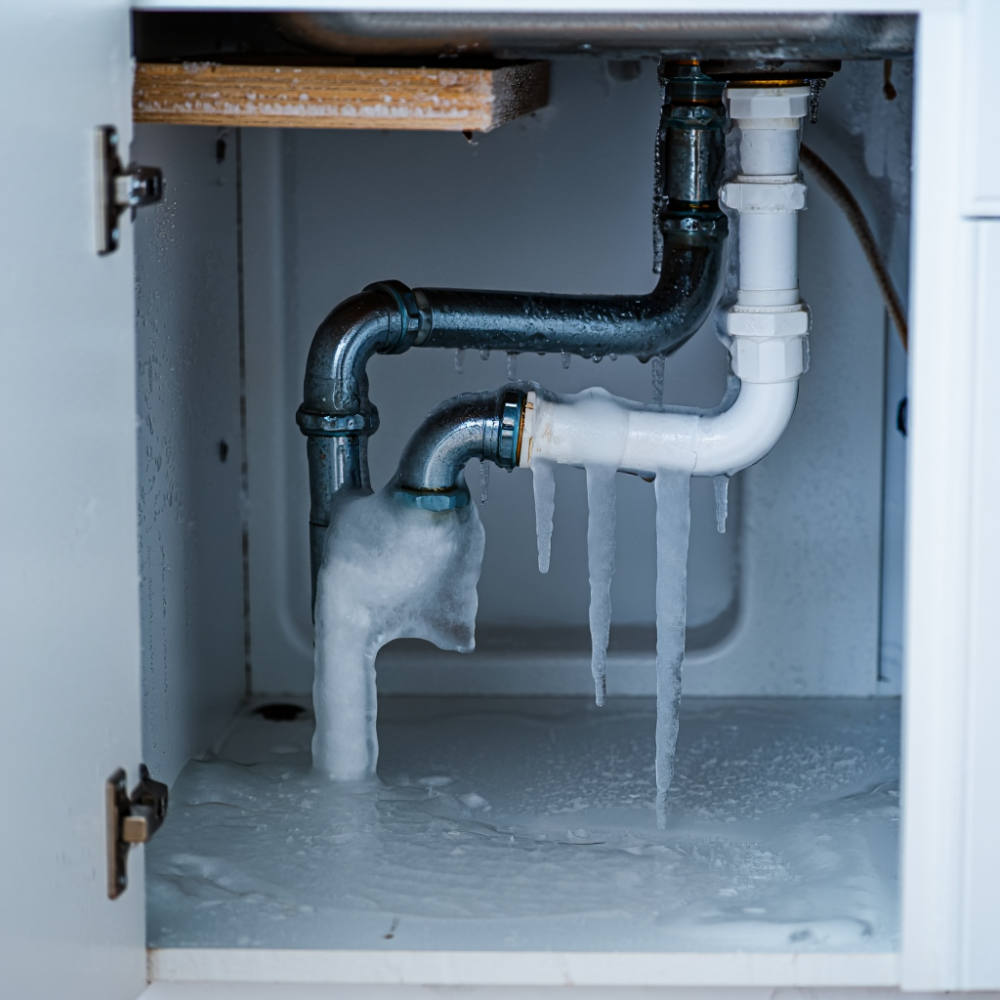
While we experience natural disasters such as wildfires, blizzards, tornadoes, extreme cold, and floods, we do not necessarily see these events often. However, we can encounter negative effects from natural disasters in Michigan, like frozen pipes after a long stretch of extremely cold sub-zero temperatures.
According to the official government agency, the National Centers for Environmental Information, reports the following regarding worst natural disasters in Michigan, “From 1980-2024, there were 60 confirmed weather/climate disaster events with losses exceeding $1 billion each to affect Michigan. These events included 5 drought events, 5 flooding events, 1 freeze event, 41 severe storm events, 1 tropical cyclone event, and 7 winter storm events,”.
Recently, my friend told me her husband wants to move to Alaska. Initially, I was shocked, as we live in Michigan and have had many conversations about how, being in the Mitten State, we are somewhat safer from the more destructive natural disasters (we know that’s not entirely true).
However, we do not have to concern ourselves with preparing for hurricanes, tsunamis, earthquakes (on a sizable scale), volcanoes, landslides – you get the point. And I’m not sure what’s going on with the Southeast Michigan/Detroit Metro area lately, since it doesn’t get much snow anymore.
On average, Alaska’s most common disasters are earthquakes, with more large-scale earthquakes than the rest of the United States combined. More than three-quarters of Alaska’s population lives in areas that are most likely to experience a magnitude seven earthquake.
Below are natural disasters that happen frequently in Alaska:
- Earthquakes
- Floods
- Volcanos
- Tsunamis
- Wildfires
- Landslides
My friend ended up compromising a bit with her husband. Instead of packing up her whole life and moving to the frozen tundra, she agreed that they could invest in a little cottage.
Her husband, his brothers, and his adult son found a spot in a remote area with plenty of open spaces to explore on their Outlander excursions. They can have all the boys’ weekends they desire at any time of the year! She said maybe she’d consider a long weekend during the summer, and at a nice hotel with indoor plumbing. Good for her!
What to consider before moving to Alaska?
If you’re like my friend’s husband and you’re considering moving to Alaska, there are a few imperative things you should know.
First and foremost, be aware that encountering roaming bears is a real possibility. Educate yourself on bear safety and take necessary precautions when living or exploring the Alaskan wilderness.
Another aspect to consider is the high cost of living in Alaska. Due to its remote location, many everyday items must be imported, which drives up prices. From groceries to housing, be prepared to pay a premium for the convenience of living in this beautiful state.
Additionally, Alaska residents enjoy the lowest tax burden in the U.S., with no income or sales tax, which can significantly impact your overall financial situation and make it more affordable to live and thrive there.
Surprisingly, buying a home in Alaska may be within reach for many people. While prices can still be steep, the state offers a variety of housing options, and the availability of land makes it more feasible to find a place to call your own.
Is it hard to move to Alaska?
In his initial research, my friend’s husband met a guy who advised him not to move to Alaska unless he had secured a job and housing first and foremost. The man said that Alaska isn’t a place you want to land jobless or homeless.
It is also worth noting that one must be prepared for extreme weather and the high cost of living. The housing market is tight, and residents around the state complain about how difficult it is to find a decent place to live.
When you’re making the big move, not only will you have to deal with everyday moving struggles, but you must also consider that Alaska is thousands of miles away from the nearest state of the lower forty-eight. Much of Alaska is also inaccessible by road, so you’ll need to plan your routes carefully.
The state’s job market can be competitive, especially in specific industries such as fishing, oil, and tourism. Research potential job opportunities and make connections before you pack your bags.
In addition to job and housing challenges, the extreme weather in Alaska can also make the moving process more difficult. Be prepared for harsh winters with heavy snowfall and freezing temperatures. One needs to plan accordingly and ensure that the vehicle is equipped for Alaskan conditions. Investing in snow tires and other winter gear will go a long way in making your transition smoother.
Another hurdle to overcome when moving to Alaska is the sheer distance from the lower forty-eight states. Alaska is thousands of miles away from the nearest state, and much of it is inaccessible by road. Carefully plan routes and decide whether you’ll drive or fly to your new home.
Should you choose to drive, be aware that there are stretches of wilderness with limited services and gas stations – plan stops accordingly. If flying, research logistics and costs well in advance to ensure a smooth transition.
While the challenges may seem daunting, it’s important to note that moving to Alaska also comes with numerous perks and rewards. The unparalleled beauty of the state’s landscapes, the sense of adventure, and the unique experiences you’ll encounter make it all worthwhile.
Although now that I look into this more, exploring the vast wilderness, witnessing the Northern Lights, and partaking in outdoor activities like fishing, hiking, and wildlife spotting do not seem so bad, and living in Alaska is probably really special.
Still, I’d much rather stay in Michigan; it’s way warmer down here!
Worst natural disasters in Michigan
In conclusion, Michigan may not face the dramatic, high‑risk natural disasters seen in places like Alaska, but we’re certainly not immune to extreme weather or its costly impacts. From billion‑dollar storms to deep freezes that wreak havoc on our homes, nature still keeps us on our toes here in the Mitten State.