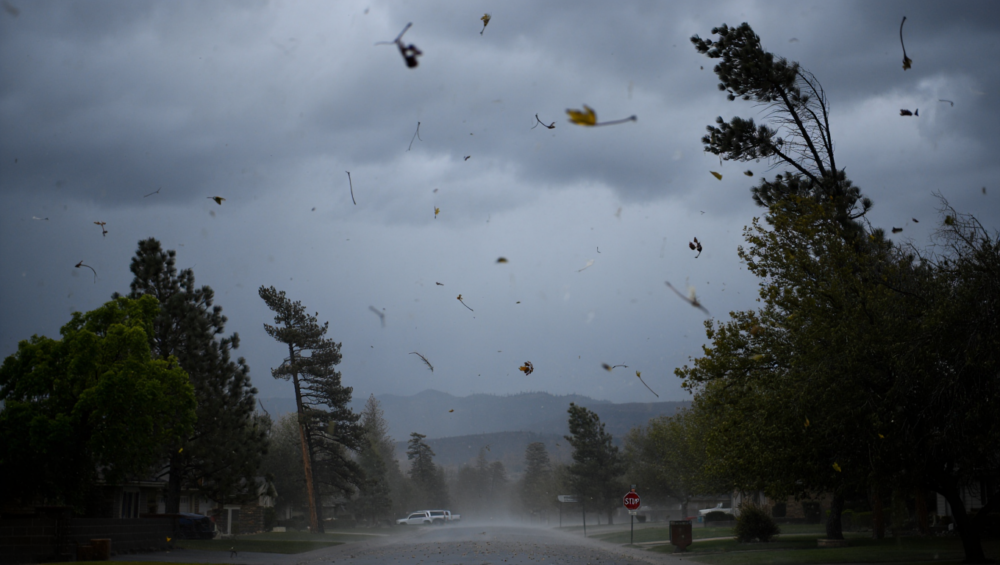
When most people think of “storms,” the typical image that comes to mind are severe thunderstorms or tropical cyclones, such as typhoons and hurricanes. While these extreme weather events are very common in the United States, they aren’t as frequent in Washington State.
In fact, the Evergreen State rarely sees traditional severe weather like thunderstorms and tornadoes. What is highly common in the state, however, are massive winter storms and heavy rain events in Washington driven by Pacific Ocean systems.
- The No. 1 Storm Damage in Washington State
Winter storms and heavy rains both deal with precipitation, the latter with direct liquid rain or falling liquid water drops while the former with frozen or freezing precipitation like ice and snow. In other words, both involve the falling of some form of water. The difference lies in the temperature of precipitation, either warm or sub-freezing.
Despite the difference in temperature, however, both winter storms and heavy rains pose a risk of flooding, which is considered to be the most common storm damage in Washington State. In fact, the Washington State Department of Ecology has this to say: “Across the state, the costs of flooding exceed all other natural disasters. In any given year, there is a better than an 80% chance that 10 or more floods will occur.”
Impacts of Flooding in Washington State
Flooding in the Evergreen State can result in injuries and loss of life, damage property and infrastructure, cause major transportation disruptions, and inflict long-term economic harm. The key impacts of flooding in the state include:
Health Impacts
According to the Washington State Department of Health, flooding can cause immediate health impacts, including drowning, injuries, hypothermia, heart attacks, and animal bites. In addition, the lack of access to basic health care during a flood can cause complications from untreated chronic diseases, such as hypertension and diabetes, and “likely increased deaths during recent floods.”
Meanwhile, flooding’s indirect effects on health include water-borne infectious disease, injuries and infections, allergies, respiratory disease, and mental health problems. These indirect health effects can affect individuals in both the medium and long term after a flood.
Transportation Disruptions
Flooding in Washington State typically closes major highways and washes out regional rail lines. Common road closures include Interstate 5, U.S. Highway 2 and other mountain passes and valley roads, and local bridges. For instance, U.S. 2, in particular a 49-mile stretch between Skykomish and Leavenworth, was closed in December 2025 because parts of the roadway were destroyed by washouts and debris slides.
Local bus routes may also be disrupted, along with freight and passenger rail operations. For instance, BNSF Railway often pauses their operations due to washouts and debris blockages.
Damage to Property and Infrastructure
Homes and public infrastructure can get submerged in floodwaters, resulting in costly damages.
For instance, record-breaking flooding in December 2025 damaged almost 4,000 homes. Meanwhile, damage to roads, levees, and more from flooding cost up to $173 million. This figure, however, doesn’t account for damage to certain federal and state highways, including U.S. 2.
“This historic flooding resulted in, we believe, the largest dollar amount of public infrastructure damage in Washington state in more than four decades,” Washington State governor Bob Ferguson said.
The devastating floods caused a total of $182 million in infrastructure damage.
Evacuations & Displacement
Local county emergency management officials or sheriffs issue evacuation notices when rising waters, severe river crests, or levee breaches pose an immediate threat to life and property of residents in an area. These notices are not only issued when there is actual or imminent flooding but also during major atmospheric river events and other severe weather events as well as after wildfire burn scars.
For instance, in December 2025, around 78,000 residents of Skagit County were ordered to evacuate from the floodplain or low-lying areas of the Skagit River. Statewide, hundreds of families were displaced due to severe flooding.
Residents typically stay in emergency shelters temporarily, but many can get displaced, especially when their homes have been ruined or rendered unlivable by floods. Recovery from such a scenario can, unfortunately, take years.
Environmental and Agricultural Loss
Flooding can also adversely impact the environment and agriculture in an area. This can be in the form of soil erosion, water contamination, and extensive crop and livestock destruction.
Runoff, or excess rain or melted snow that flows over the ground into lakes and streams, can lead to loss of topsoil, contaminate water bodies with nutrient and pesticide, and deteriorate habitats where salmon spawn. In addition, runoff can also promote harmful algal blooms.
In Washington State, severe flooding in the Sumas Flats, for instance, damaged the soil and perennial crops like blueberries. In particular, blueberries and other crops suffered from prolonged root-zone saturation, which increased the risk of root diseases. Farmers also had restricted access to their fields due to the floods.
Another example occurred in 2007 when 19 out of 30 dairies were flooded in the Chehalis Basin of western Washington. Two operations, which were historically safe from flooding, completely lost all its animals.
Economic Harm
Aside from causing costly damages to property and infrastructure, flooding also disrupts business operations in an area. In particular, businesses can suffer from inventory and revenue loss, which can be financially devastating. So much so in some cases, that the losses a business suffers from floods could result in a permanent closure.
However, it’s not just business owners who suffer. Their employees suffer alongside them. When a business pauses operations, workers may suffer financially, or if their workplace shuts down permanently, they lose their jobs, which puts a greater financial strain on them.
Another cost of flooding is a rise in insurance costs. When the number of claims increase after flooding, insurers often ask for higher premiums, which can become a long-term financial challenge for property owners. But, flood damage isn’t part of a standard homeowners’ policy, so this also represents an additional cost.
Those with insurance are better off than those without, however. These homeowners must pay for their recovery out of their own pockets.