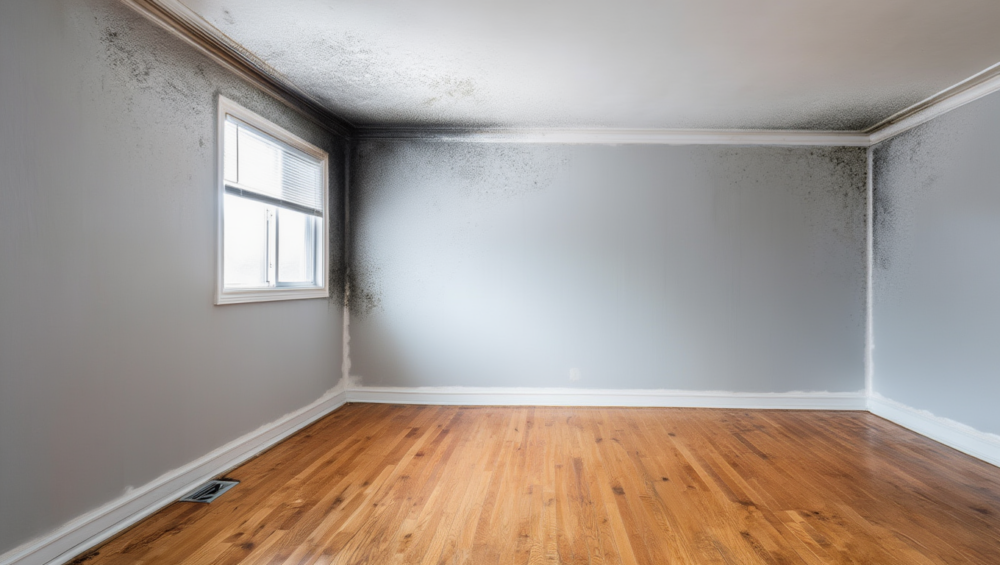
With the enormous amount of water from all the rain Seattle, Washington receives, it must be particularly important to be vigilant in ensuring that their homes are properly sealed and dry, because dampness in a home can cause a plethora of health problems, especially for those who suffer from respiratory conditions.
Typically, if dampness is left untreated, mold will have the perfect environment to grow and cause havoc not only for those with respiratory sensitivities but for pretty much everyone else as well.
Dampness in a home usually happens in a basement, although homes without basements can also succumb to this home invader. That’s why if there is dampness developing in a home, it is imperative to get mold testing done immediately to prevent worsening health issues and home deterioration.
According to the official government website of King County, where Seattle is located, they state that, “In King County, the wet seasons of fall, winter, and spring can mean more moisture in your home. Too much moisture can lead to mold and mildew. Here are some suggestions to keep your home clear of molds.
Get excess moisture out of your home
- Flush the air two or three times a day (for three to four minutes, open all the doors and windows and let fresh air circulate through the home).
- Ventilate the bathroom and the kitchen with an exhaust fan.
- Keep shower curtain or bathtub sliding door open after bathing to increase air circulation.
- Assure that the dryer vents freely to the outside.
- Heat all the rooms in your home to keep moisture from forming on the walls and other surfaces of unheated areas.
Stop moisture from coming in
- Stop any leaks from the roof, poorly-drained gutters and plumbing.
- Stop water from entering basements and crawlspaces.
- Properly insulate walls and ceilings.
- Grade ground so that it drains surface water away from home.
Other preventive measures
- Use easy to clean paint and wallpaper, especially in bathrooms.
- Install a timer switch on your bathroom fan, and leave the fan on for 15 minutes after showering.
- When cooking, try to minimize simmering of liquids and foods.
- Keep furniture away from outside walls where mold might grow.
- Replacing carpet with wood or vinyl floor tiles will prevent some of the problems with carpeting,”.
For example, while sometimes dampness and mold are common, both trigger asthma attacks. In addition, dust mites thrive in humid environments and can cause allergies and asthma. Therefore, if you suffer from asthma or allergies, it’s essential to take the necessary steps to keep your space free of moisture, mold, and dust.
My grandparents’ house is a perfect example. It was a finished, beautiful basement where we held all our holidays and special events. It was a typical old-school Italian basement, complete with a fully functional kitchen and a full bar. Lots of great memories down there!
Unfortunately, it also included that “stinky” moldy smell and a dampness that never seemed to go away. It was constantly flooding. Precious heirlooms and photographs were lost on several occasions when the basement flooded.
Mold, mildew, and other wet basement byproducts contribute to many severe health problems, including but not limited to:
- Respiratory infections
- Asthma
- Allergic reactions.
- Allergies, asthma, and respiratory symptoms, including difficulty breathing, headache, fatigue, watery eyes, and congestion.
Additionally, my mom, her mom, and her siblings all suffered from either upper respiratory issues (my uncle and I included) or had asthma. As a result, we were all very sick growing up.
My mom was the oldest, so she always had me in tow when she visited her parents and younger siblings; thus, we spent a lot of time there. The basement was also my cousins’ and my playroom. My one cousin had severe asthma, and when I look back, I realize he should never have been down there!
Although a damp basement may not seem like a big deal, it certainly can pose a serious threat to one’s health.
*Note: All content within this article is meant for informational purposes only and is in no way a replacement for professional contractor advice or support. Seek immediate and appropriate care from a professional when necessary.
How do I check for mold in my basement?
Mold is often easily noticeable, but sometimes small or hidden growths only make a surface look dirty. Test for mold by dipping a swab in diluted bleach (1 part bleach to 16 parts water) and dabbing it onto the wall. If the spot quickly lightens (or keeps coming back after cleaning), it is most likely mold. Just to be safe, it’s always best to call a professional.
Mildew is a surface fungus that is often white, gray, or black. Unlike mold, mildew will not cause structural damage to your home. But if you do not address it, it can cause discoloration, staining, and an unpleasant odor. You can test for mildew by dabbing a cotton ball or swabbing with rubbing alcohol and pressing it against the surface. If the area changes color, you most likely have mildew growth.
The distinction between mold and mildew can be confusing, but it’s essential to know the difference because they require different cleaning solutions. For example, bleach will kill mold, but mildew can sometimes be removed with just soap and water. If you’re unsure, it’s always best to call a professional.
If you think you may have mold or mildew in your basement, you can do a few things to prevent it from growing.
- Keep the humidity level low by using a dehumidifier or opening windows.
- Make sure there is good ventilation throughout the basement.
- Clean up any water spills immediately.
- Fix any leaks in the walls or floors.
- Don’t store anything wet or damp in the basement.
- Regularly clean mold and mildew with a bleach-and-water solution.
If you have mold or mildew in your basement, it’s important to address it immediately. Not only will it make your basement smell bad, but it will also begin to cause health problems for you and your family. As we mentioned earlier, mold and mildew can cause respiratory problems, so do not ignore them.
Symptoms of bad air quality in home
Sick building syndrome is a term used to describe a set of symptoms that people experience when they are inside an unhealthy building. The symptoms could include headaches, dizziness, nausea, itchy skin, difficulty concentrating, and fatigue. Sick building syndrome is often caused by too much moisture in the basement of the affected building.
If you work or spend a lot of time in a basement, it’s essential to take steps to waterproof and keep it free of mold and dust. For example, you could:
- Install a dehumidifier
- Use an air purifier
- Check for leaks and repair them immediately
- Keep the basement well ventilated
- Use fans to circulate air
- Clean mold and mildew regularly
If you suspect your basement is making you or your family sick, it’s important to see a doctor so they can properly diagnose and treat you.
It cannot be stressed enough that if you have asthma or allergies, you must take the necessary steps outlined above to keep your home as free of mold and dust as possible.
Waterproofing your basement will help keep you healthy and prevent further damage to your belongings.
*Note: All content within this article is meant for informational purposes only and is in no way a replacement for professional medical advice or support. Seek immediate and appropriate care from a healthcare professional should you or a trusted loved one deem it necessary.
Mold in Seattle
In conclusion, living in Seattle means staying proactive about moisture and mold. By taking preventive steps and addressing issues early, you can protect both your home’s integrity and your family’s health.